
Your back aches again after another long day at your desk, and the stress just won’t quit. You’ve tried stretching and quick fixes, but nothing sticks, and the tension keeps building—quietly threatening your health, your focus, and your relationships. Somatic exercises offer a gentle, science-backed way to calm your nervous system and ease chronic pain in minutes a day, helping busy professionals like you reclaim calm, clarity, and relief without overhauling your schedule. Learn more about the benefits of Somatic exercise here.
The Power of Somatic Exercises

Somatic exercises offer a pathway to relief for busy professionals. By incorporating these practices, you can ease pain and stress effectively without sacrificing your packed schedule.
Quick Relief for Busy Professionals
Imagine finding relief in just minutes a day. That's the promise of somatic exercises. They provide a way to unwind tension and soothe aches, even when you're short on time.
-
Simple Movements: You don't need fancy equipment. Basic stretches like the pelvic tilt can work wonders. Start by lying on your back, knees bent. Inhale deeply, then exhale as you tilt your pelvis backward. Repeat a few times to feel the release.
-
Desk-Friendly: During work breaks, try the seated spinal twist. Sit up straight, place your right hand on the back of your chair, and twist gently. These moves fit seamlessly into your routine.
Mind-Body Connection and Pain Relief
The mind-body link is vital for pain relief. Somatic exercises tap into this connection, helping you manage discomfort more effectively.
-
Feel the Difference: With each movement, you become more aware of your body's signals. This awareness leads to better posture and reduced tension in your muscles.
-
Science-Backed Benefits: Studies show a significant reduction in pain for those practicing somatic exercises. Discover more here.
Gentle Movements for Stress Management
Tackling stress is about more than just mental exercises. Physical movements play a crucial role.
-
Release Stress: Somatic exercises focus on slow, mindful movements. They activate the parasympathetic nervous system, promoting relaxation.
-
Emotional Balance: By practicing regularly, you gain better emotional regulation, making it easier to cope with daily pressures.
Understanding the Urgency
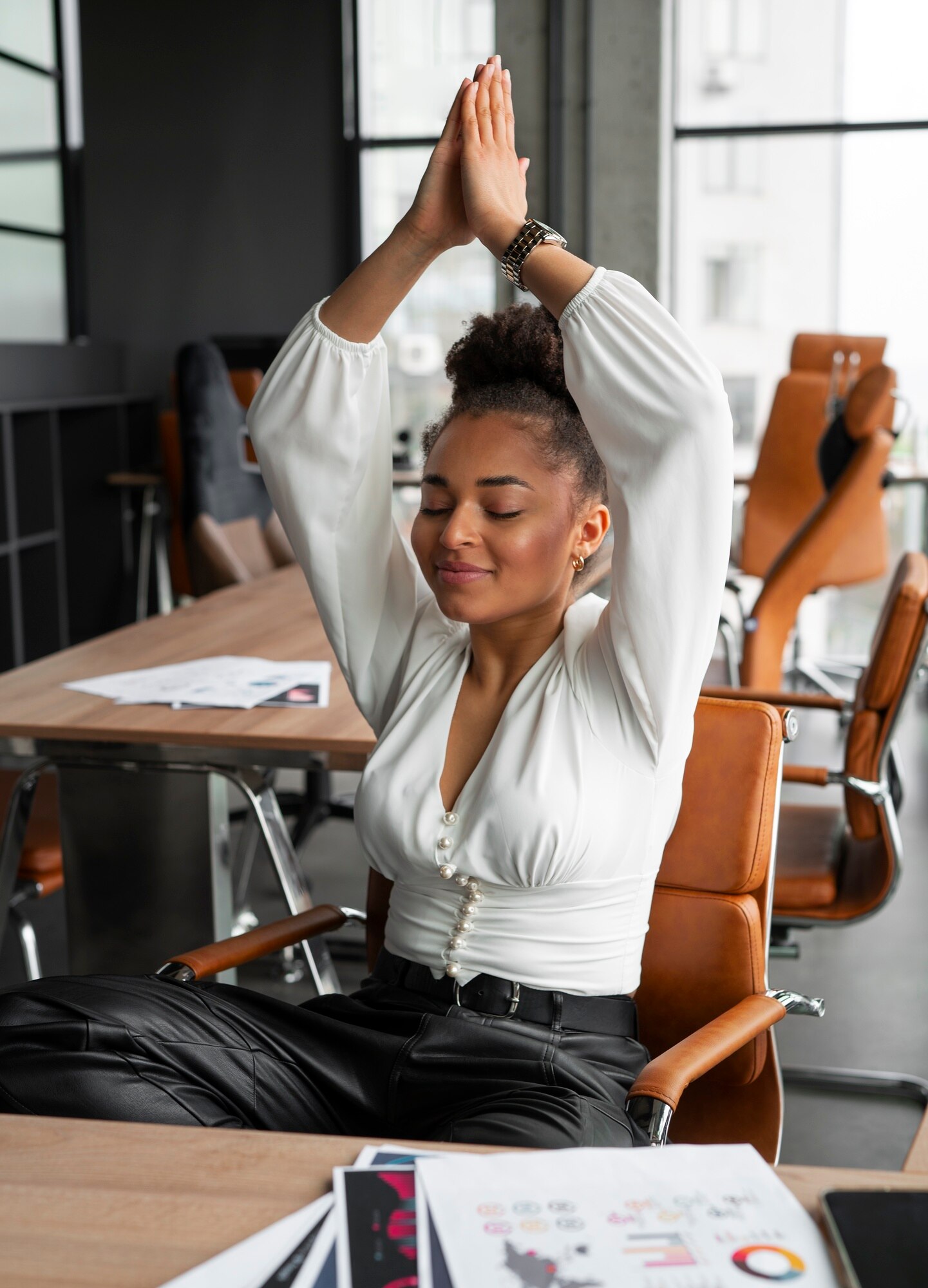
Ignoring chronic pain isn't just uncomfortable—it's risky. Addressing it is crucial for your health and peace of mind.
Risks of Ignoring Chronic Pain
When pain lingers, it can lead to more serious issues. The longer you wait, the harder it becomes to reverse damage.
-
Physical Consequences: Chronic pain can escalate, resulting in more severe conditions like arthritis or nerve damage.
-
Mental Health Impact: Constant pain affects your mood and cognitive function, increasing anxiety and depression risks.
Emotional Burdens and Their Impact
Emotional stress compounds physical pain, creating a cycle that's hard to break.
-
Stress Amplification: When you're stressed, your body responds with tension, worsening the pain.
-
Vicious Cycle: This cycle affects sleep, making it harder to recover. Addressing emotional burdens is key to breaking this loop.
Professional and Personal Consequences
Unchecked pain and stress can spill over into your work and personal life.
-
Career Stagnation: Persistent discomfort can lead to reduced productivity and missed opportunities.
-
Relationship Strain: Pain and stress can make you irritable, affecting your interactions with loved ones.
Steps to a Healthier You
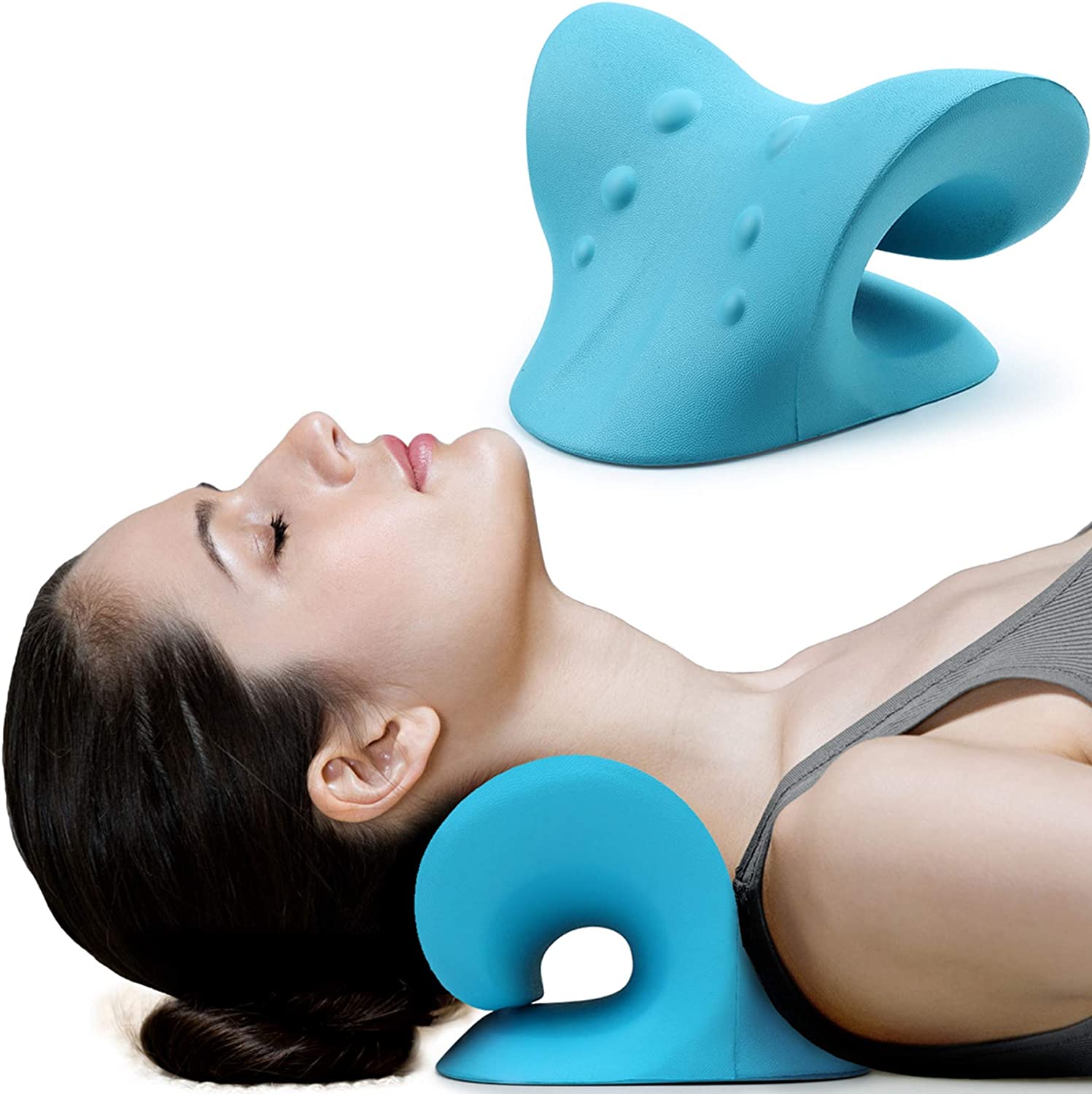
Taking proactive steps with somatic exercises can transform your well-being.
Integrating Somatic Exercises into Daily Life
Incorporating these exercises into your routine doesn't have to be overwhelming.
-
Start Small: Begin with a few minutes each day. Consistency is more important than intensity.
-
Use Reminders: Set phone alerts to prompt short exercise breaks. This ensures you don't forget.
Leveraging Hypnotherapy for Emotional Healing
Pairing somatic exercises with hypnotherapy can enhance emotional healing.
-
Deep Relaxation: Hypnotherapy guides you into a deeply relaxed state, helping to process unresolved emotions.
-
Trauma Release: It provides a safe space to address past traumas, reducing their impact on your present life.
Building a Routine for Lasting Relief
Creating a routine ensures long-term benefits and relief.
-
Daily Commitment: Dedicate specific times for exercises. Morning and evening are ideal for setting a calming tone for the day.
-
Track Progress: Keep a journal of your exercises and how they affect your pain and stress levels. This helps in adjusting your routine for maximum benefit.
By embracing somatic exercises, you open the door to a healthier, more balanced life. They're your ally in managing pain and stress, providing relief that fits seamlessly into your demanding schedule. Remember, every small step counts toward a more vibrant you.