
Executive burnout is costing companies millions in lost productivity and leadership turnover. Your team’s nervous system is stuck in overdrive, pushing cortisol levels high and decision fatigue even higher. This protocol shows you how to calm nervous system activity at your desk in just five minutes—flushing stress biologically to restore sharp executive performance. Keep reading to learn the exact steps that drive sustained cognitive focus and close your HR retention gaps. For additional insights on nervous system regulation, consider exploring these tips for regulating your nervous system.
The Science of Nervous System Regulation
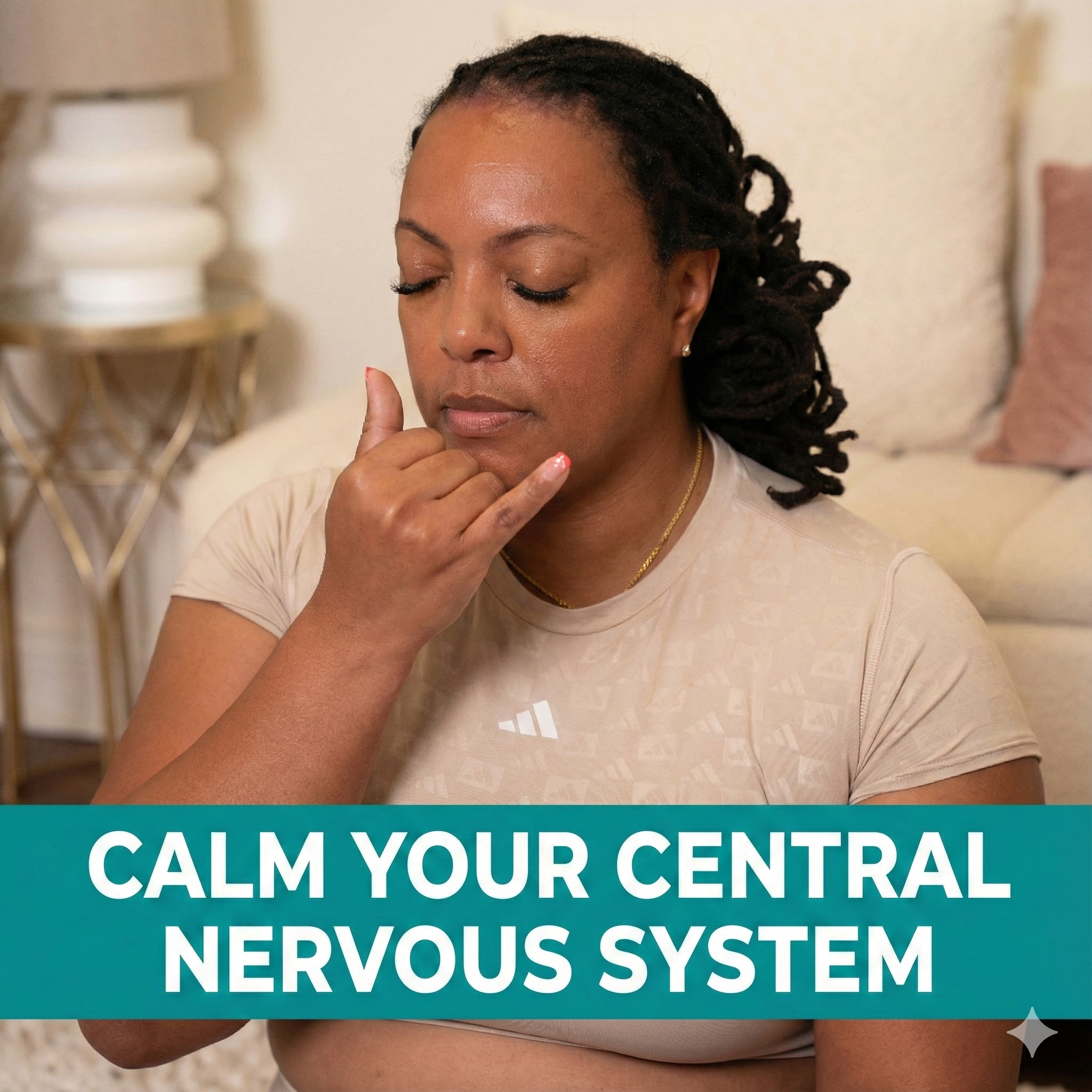
Understanding how your body reacts under stress is key to managing it effectively. Let's delve into the underlying mechanisms that drive executive burnout and the steps you can take at your desk to reclaim calm and productivity.
Understanding Sympathetic Overdrive
The sympathetic nervous system is your body's accelerator, keeping you alert and ready to tackle challenges. But constant activation leads to fatigue. You might find yourself in this state if you're always on the go, juggling projects, and managing a team. This hyper-alert state can lead to increased heart rate, tense muscles, and a constant sense of urgency.
To counteract this, consider incorporating brief relaxation exercises into your routine. Simple breathing techniques or a quick walk can help reset your system. By doing this, you not only calm your nerves but also boost your decision-making capacity.
The Impact of Cortisol on Executive Performance
Cortisol is a hormone your body releases in response to stress. While it's beneficial in short bursts, chronic exposure can impair cognitive function. You might notice forgetfulness or difficulty concentrating as signs.
Reducing cortisol levels involves practical interventions. Regular physical activity, adequate sleep, and a balanced diet are essential. At work, try to schedule short breaks and incorporate mindfulness practices. These small changes can significantly improve your mental clarity and focus.
The Importance of Vagal Tone
Vagal tone refers to the activity of the vagus nerve, which helps control your parasympathetic nervous system—your body's natural brake to the stress response. Higher vagal tone is linked to better emotional regulation and resilience.
Engage in activities that stimulate the vagus nerve, like deep breathing or gentle stretching. These can be done discreetly at your desk and help maintain a steady state of calm throughout your day. For more on vagal tone and its benefits, you might find these nervous system regulation exercises insightful.
The Somatic Boardroom Reset Protocol

Understanding the science is crucial, but implementing it in your daily routine is where the magic happens. This protocol offers practical strategies for regaining control over your stress responses.
Cortisol Reduction Techniques at Your Desk
You don't need a gym to manage stress hormones. Simple desk exercises can do wonders. Try the following techniques:
-
Deep Breathing: Inhale deeply through your nose, hold for a second, then exhale slowly through your mouth. Repeat this five times.
-
Progressive Muscle Relaxation: Tense and then relax each muscle group, starting from your toes and working up to your head.
These exercises take just a few minutes but can substantially lower cortisol levels and leave you feeling refreshed.
Somatic Exercises for Decision Fatigue
When your brain is overloaded, decision-making becomes challenging. Incorporate somatic exercises to regain clarity:
-
Neck and Shoulder Rolls: Loosen tight muscles by gently rolling your shoulders forward and backward, and your neck side to side.
-
Arm Stretches: Extend your arms overhead and interlace your fingers, stretching upwards.
These movements release physical tension and improve blood circulation, helping clear brain fog. If you're interested in more exercises, check out these ways to reset your nervous system.
Enhancing Leadership Capacity Through Psychological Safety
Creating an environment where team members feel safe improves overall effectiveness. Encourage open communication and provide support without judgment. This fosters trust and allows your team to focus on their tasks without the fear of repercussions.
Implementing these strategies can transform your workplace culture, making it conducive to better performance and innovation.
Implementing Corporate Wellness Solutions

As an HR leader, you have the power to implement wellness initiatives that provide long-term benefits for your organization. Here's how you can bridge the gap between knowledge and practice.
HR Retention Strategies and Employee ROI
Retaining talent is more cost-effective than recruiting new employees. Invest in wellness programs that focus on reducing stress and improving mental health. These programs enhance employee satisfaction and loyalty, translating into higher productivity and lower turnover rates. For more insights, you might explore how to heal a dysregulated nervous system.
LMS Integration with Enterprise Somatic Audio Library
Integrating somatic exercises into your Learning Management System (LMS) can offer employees continuous access to stress-reduction resources. This ensures that relief is just a click away, fostering a healthier work environment. Consider starting with a small pilot program to gauge effectiveness and make necessary adjustments.
Addressing Organizational Stress and Post-Lunch Slump
The post-lunch slump is a common productivity killer. Encourage light physical activity after meals to boost energy levels. A brisk walk or a few minutes of stretching can prevent the afternoon crash and keep your team engaged and focused.
By proactively managing stress and implementing these strategies, you can significantly enhance both individual and organizational performance. These changes not only benefit employees but also contribute positively to the company's bottom line, ensuring a healthy and productive work environment.